

Wine Education
Wine tasting is a personal experience. your palate (sense of smell and taste) is unique, like a fingerprint. There is no “right” or “wrong” way to taste wine, and learning about it can help you appreciate it all the more!
My approach is to make wine education accessible for people of all experience levels. In our Wine 101 series, we provide a fun and engaging session of sipping, chatting, and learning through a guided tasting in our dining room.
If you prefer self-study, you can purchase previous Wine 101 classes through this website, with suggested wines for you to purchase on your own.
I’m also available for on-site classes at your place of business, as a perfect team-building exercise or office celebration.
– David Anderson, Co-Owner, WSET Level 3 with Merit
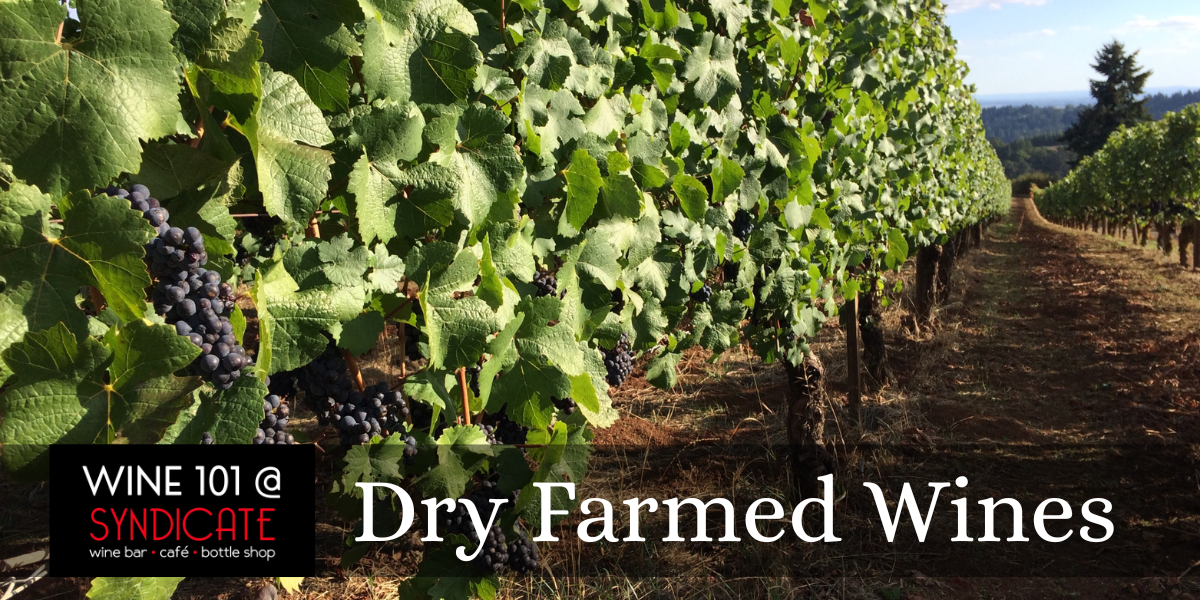
Dry-Farmed Wines
Saturday, September 19, 2026 • 2 PM
Vines need water to produce grapes. While too much water can impact the health of the vine and growing cycle, too little wine can actually be better for the finished product!
In this session, we address how grape vines perform better under stress, including limited access to available water; How “dry farming” is done in different parts of the world; How the practice influences the quality and yield of grapes harvested; And how finished wines from dry-farmed vines taste remarkably focused and concentrated. We also taste through nine different dry-farmed wines to demonstrate their vibrancy and purity.
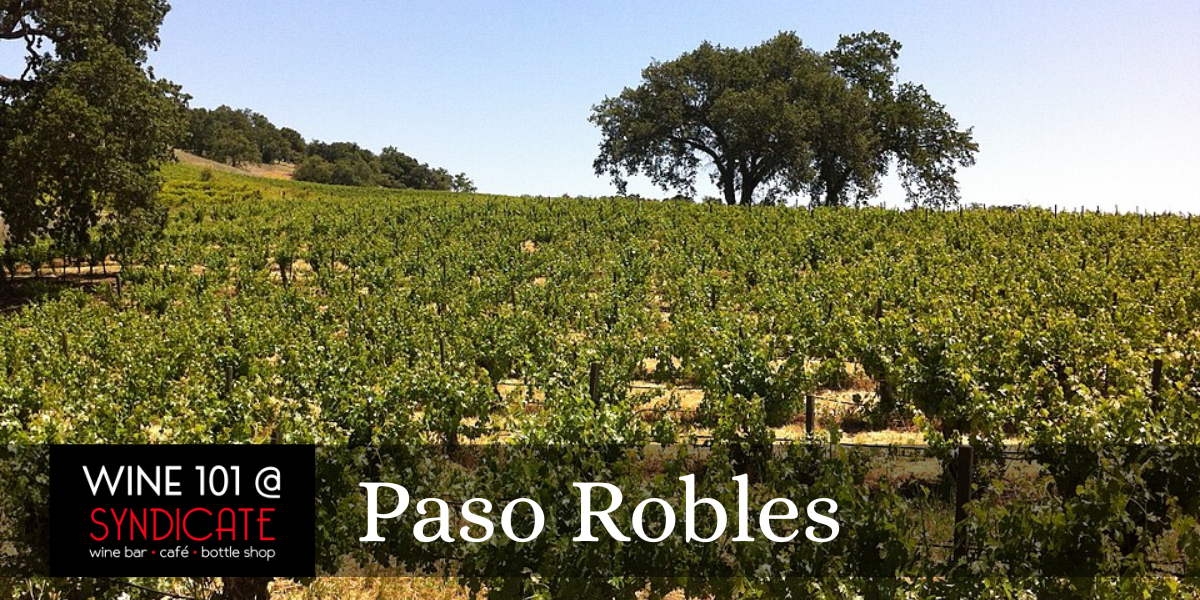
Wines of Paso Robles
Saturday, October 17, 2026 • 2 PM
In the lower half of California, there is a passageway of Oak trees — from which Paso Robles got its name — located in a high-elevation, hot weather set of valleys and peaks just east of the Pacific Ocean.
With cool mornings brought by foggy Pacific air and higher elevations, hot afternoons baking in the southern California sun, silty, well-draining soil, Paso Robles is a literal hotbed for distinct wines of focus, intensity, and opulence. In this session, we taste nine different Paso Robles white and red wines, including minimal intervention, dry-farmed, neutral-oaked, and even cement-aged wines that will make you reconsider this oft-overlooked winegrowing region.
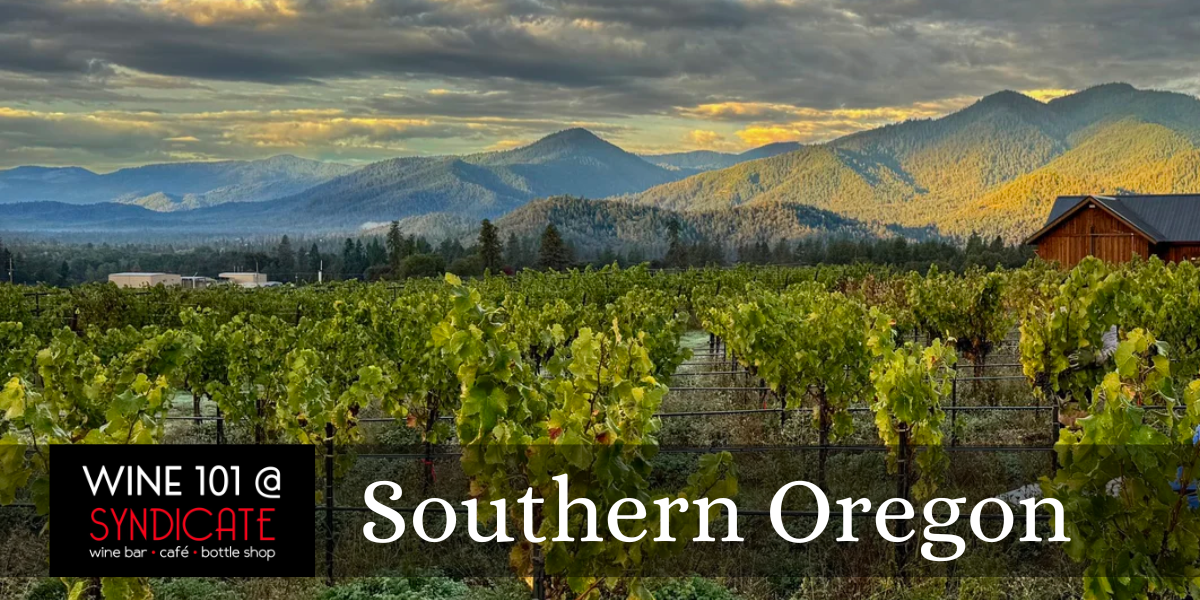
Southern Oregon Wines
Saturday, November 14, 2026 • 2 PM
Spanning three different valleys in the southern part of the State — Umpqua, Rogue, and Applegate — the Southern Oregon AVA is home to hundreds of vineyards and wineries that get little attention to the north.
Unique soil types, combined with moderate Pacific Ocean airflow and less precipitation create a Mediterranean microclimate perfect for growing wine grapes traditionally found in warmer European sites, like Portugal, Spain, and southern France. And yet, with the addition of some steeper, high-elevation, North-facing vineyards, so too are cooler climate grapes like Pinot Noir and Chardonnay cultivated. We taste through nine different wines from Southern Oregon that you will want to add to your home wine cellar!
Cost
$50 per person
$40 for Club Members
$30 Online Only
WSET Level Instruction
Edudcational Materials
Flight of Applicable Wines
Sample Topics
Chile/Argentina
Burgundy/Bordeaux
Tuscany/Sicily/Piedmont
Walla Walla Wines
Wars & Wine
Australia
The Winemaking Process
Instructor
David Anderson
WSET Level III- with Merit
Co-Owner of Syndicate Wine, LLC
Previous Owner of OregonWines.com
If you are interested in having our instructor come on-site for any corporate staff development activity, please email our sales team at the email below. We have set curriculum with desired wines that we can bring to any location.
Why is our education program called
“Wine 101”?
We feel wine education should be available to all levels of understanding. Whether you are newly learning about wine, or have been exploring, our teaching methods will seem very approachable, easy to understand, but also challenging. We offer example of wines so you can taste, smell, and apply the knowledge learned. Our Syndicate Sommelier creates a space where all questions are appropriate, creating a freedom to ask questions that you may not feel comfortable in other settings.
Previous Classes
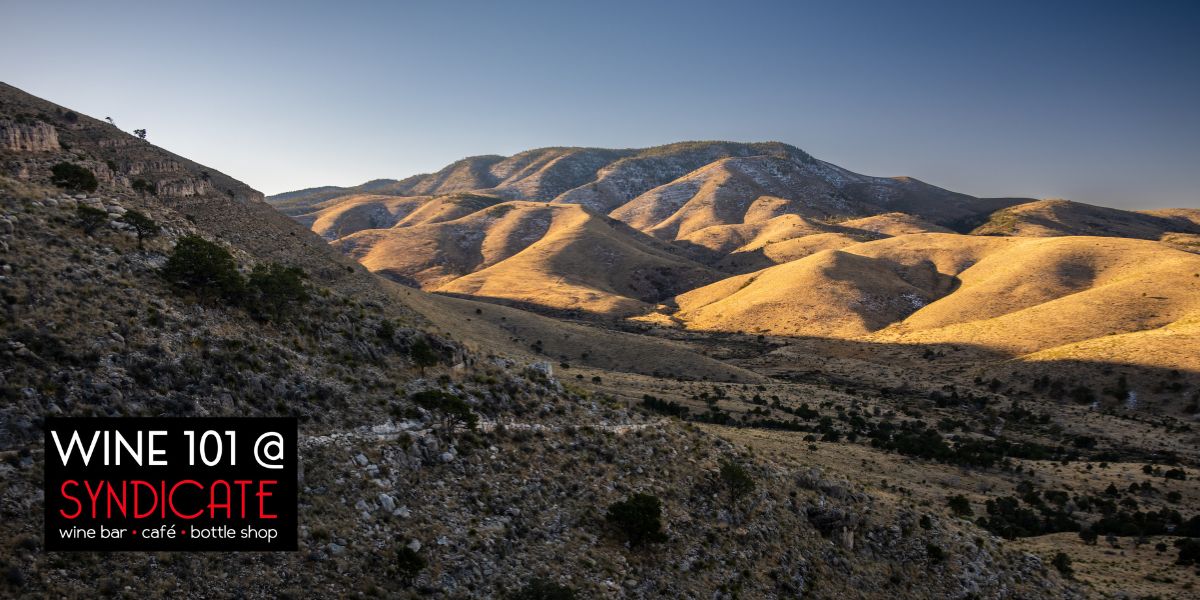
Wines of Mexico
Instructor: David Anderson, WSET- 3
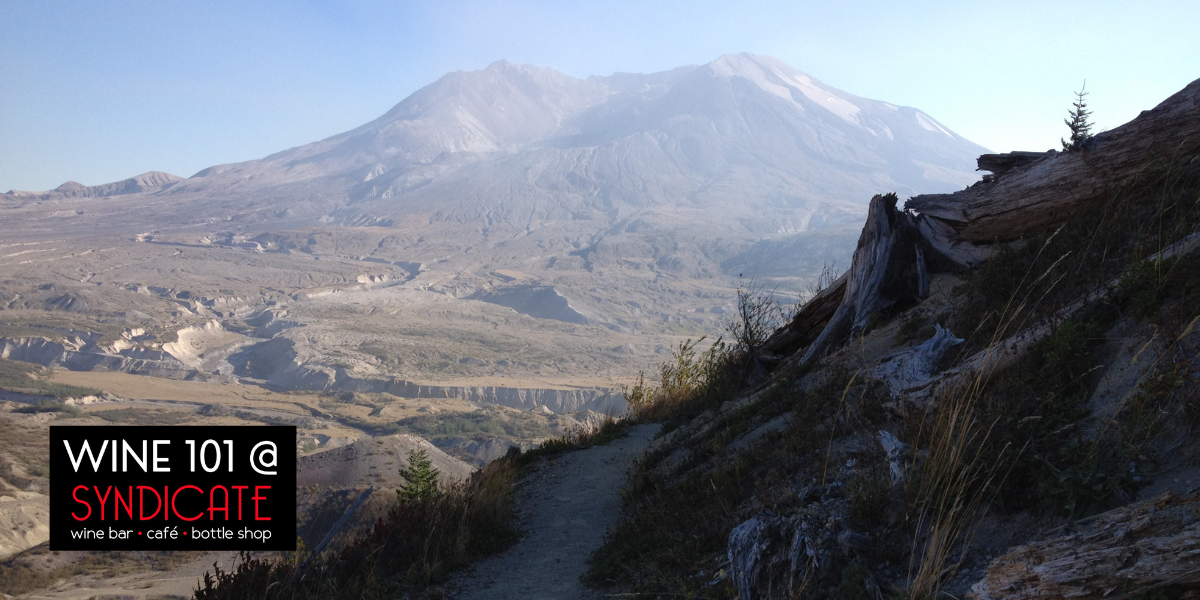
Wines of Mexico? You read that right! Despite the country’s long-established reputation for cerveza and tequila, Mexico was at one time so good at producing wine that the Spanish government banned it!
There’s a lot more to this story, starting with learning how Mexico now has more than 150 wineries producing superb wines across its boundaries. Sip eight excellent wines, learn how it is turning heads and redefining a culture known for other alcoholic beverages, and have fun all at the same time!
Apocalypse Wines
Instructor: David Anderson, WSET- 3
What wines should you collect for your cellar, when your cellar is about to become your survival bunker? In this very unique Wine 101 session, we examining the types of wines to stock in your cellar, at a time when you’re not sure how long you may need to hunker down.
Learn about age-worthy varietals and styles of wine. (Yes, some wines absolutely age better than others). Learn what to look for, how to store them, and let us all collectively plan on this for fun, not survival! And, sip through nine excellent examples of what you might find in *our* bunker cellar!

Ancient Varietals: Pt 2
Instructor: David Anderson, WSET- 3
Today’s winegrowing world is made possible by 8,000 recorded years of planetary viticulture. If you’ve ever wondered about the first wines, what they tasted like, and the people that made them, this Wine 101 session is for you!
Picking up from the first session of varietals, we again take a walk through the pages of history, tracing back the earliest of wineries, the role grapes played in facilitating human migration across the planet and global trade routes, and sample nine additional varietals that are as old as time.

Wines of Red Mountain AVA
Instructor: David Anderson, WSET- 3
Located in southeastern Washington State, Red Mountain is a seeming geologic oddity within the Yakima Valley, home to dozens of prized vineyards known for producing expressive, high quality wines. How did Red Mountain come to be? What makes its microclimate and terroir so distinct to have earned it an American Viticultural Area designation?
In this Wine 101 session, we learn about and discuss the geologic and natural history of the area, highlighting some of the founding Red Mountain vineyards that put it on the map, and sample nine red wines from vineyards growing on its slopes.

Wines of South Africa
Instructor: David Anderson, WSET- 3
A land of rugged mountains, sweeping valleys, and jagged coastlines, South Africa’s breathtaking environment is also steeped in millions of years of ancient history, dating to the dawn of the human race. In contemporary times, it plays an integral role in the wine industry of the Southern Hemisphere.
When were the first South African grapes planted? How did it South Africa become a major player in the global wine market? Find out in this class!
Ancient Varietals
Instructor: David Anderson, WSET- 3
Have you ever wondered what kinds of wines were enjoyed by ancient civilizations? Call us weird, but we sure do! What about varietals that existed long ago and that are still grown? What about progenitor (ancestral) varieties that were cross-bred to create the styles of wines we enjoy today?
In this very special Wine 101, we sample eight varietals you’ve likely never heard of that helped create today’s global wine industry. Sip reds enjoyed by figures from ancient texts! Taste the fruits of ancient Rome’s caesars! Take a walk back in time with every taste from your glass. It’s sure to be an incredible and investigative afternoon your palate will never forget.
Gorgeous Grapes! Columbia Gorge AVA
Instructor: David Anderson, WSET- 3
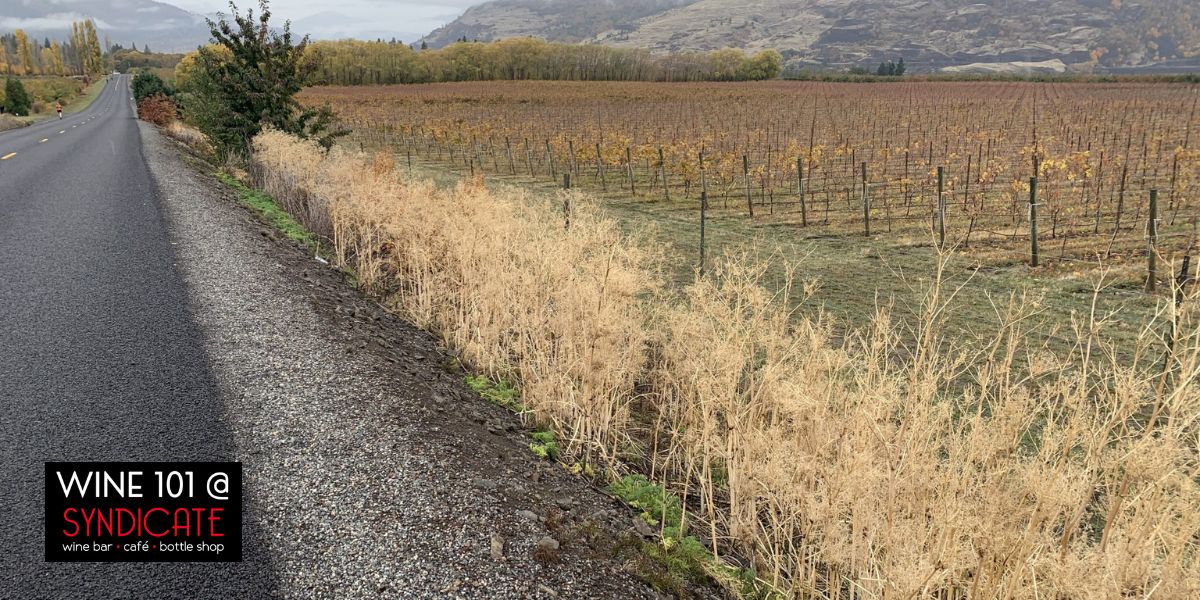
Have you ever driven through the Columbia River Gorge and seen vineyards? The Gorge serves as a border for much of Oregon and Washington States. Traveling east from Portland, vineyards are easily spotted on both sides of the river starting about an hour east of Portland and continuing in patches well into the Columbia Valley plateau (closer to Hermiston and the Tri-Cities area).
A special segment of the river produces so many distinct grapes and styles of wine that it has earned its own American Viticultural Area: The Columbia Gorge AVA! This is a highly-focused region, located approximately west of Hood River all the way to The Dalles, and extending north into Washington along the same longitudinal lines.

Tiny Bubbles
Instructor: David Anderson, WSET- 3
We think sparkling wine is good any time of the year, but around the holidays it becomes a hot commodity! Have you ever wondered how a sparkling wine is made, or what gives a particular sparkling wine its unique flavors and aromas?
Is there more than one way to make a sparkling wine? When was the first sparkling wine made? Is it true Champagne was a latecomer to the sparkling party? How are sparkling wines made in different countries? What if my relatives drive me nuts at Thanksgiving and I drink the entire bottle myself? If you’ve ever asked yourself these questions, this Wine 101 class is for you!

Wines of Sardinia
Instructor: David Anderson, WSET- 3
The island of the Nuraghi, an ancient people that built elaborate stone structures and round buildings, Sardinia is also home to as rich a history of winemaking. With a warm growing climate, only certain varietals fluorish under the Mediterranean sunshine.
Sardinia was once part of the landmass that is now France, before breaking away with the Eurasian plate as it moved to collide with the African plate and helped create the Apennine mountains of Italy. With unique soil composition and diverse winegrowing terroir, Sardinia’s wines are elegant in their purity.

Wines of Portugal
Instructor: David Anderson, WSET- 3
Who thinks Portugal is just about Port or Porto wine? Would you believe that along with Spain, the region may have served as a relative for many original varietals now grown throughout Western Europe?
Historically, Portugal carved its name into the global wine industry due to the English empire having disputes with the kingdom of Spain.Switching away from sweetened Canary Island wines towards the sappy, fortified port wines run by the English, Portugal has been synonymous with the sweeter, dessert-style wines for centuries.

Volcanic Vinos
Instructor: David Anderson, WSET- 3
Be one of the first to register for this mineral rich class exploring some of the volcanic wine growing regions around the world. There’s no question that wines grown in volcanic soils exude a distinct character and diversity that will reward your palate!
We taste through nine distinct wines, while learning about the geological history and influence that put them on the map!

wines of Burgundy
Instructor: David Anderson, WSET- 3
Originally settled by Romans, established in the Middle Ages as a stronghold of European wine production, and now home to 84 distinct appellations, Burgundy isn’t just about Pinot Noir! In this class, we look at the landscape of Burgundy, sampling nine different red and white wines of distinction, learning about the endless walled vineyards and generational properties bringing forth some of the most renowned wines of Western Europe. It’s sure to be an incredible time!

Wines of Argentina
Instructor: David Anderson, WSET- 3
Argentina is more than just Malbec! With mountainous and high-elevation vineyards, and unpredictable weather to match, Argentina produces incredible wines! In this class, we examine the history and culture of Argentina, and how it became an established powerhouse on the world wine scene. We also taste through nine different wines highlighting Argentine varietals and blends you’ll want to know about.

Wars & Wine
Instructor: David Anderson, WSET-3
Since the dawn of time, wine has been integral to human civilization. Where there has been conflict, often times grapes have been the cause, or the instigator, or simply the witness to what was to unfold regardless.
In this class, we look back over the past thousand years of recorded history, covering noteworthy wars and political strife, economic battles, and friendly competitions focused on grapes, and sample nine different wines at the center of these conflicts.

Wines of Bordeaux
Instructor: David Anderson, WSET-3
Located on the western coastline of France, the land of Aquitaine, thought to have been planted with grapes from Spain by the Romans, is today a powerhouse of the French wine industry. In this class, we look at its history and evolution, what makes its terroir so distinct, and sample eight different wines from the region.

Wines of Piedmont
Instructor: David Anderson, WSET- 3
Nestled in the northwestern corner of Italy, Piedmont encompasses dozens of winegrowing regions as distinct as the wines produced throughout the land. In this class, we look at micro-climate nuances that contribute to the wine industry’s resulting bounty, and sample nine different wines representing the sparkling, white, and red wines of Piedmont.

Wines of Chile
Instructor: David Anderson, WSET- 3
From lush valleys and rugged mountain slopes to bone-dry, high elevation deserts that almost touch the stars, the landscape of Chile offers terrain as diverse as the white and red varietals grown there.
In this class, we discuss both historical and recent influences upon Chile’s wine industry, and sample eight wines demonstrating the wide range of Chilean wines produced!

Wines of Spain
Instructor: David Anderson, WSET- 3
Learn about eight distinct wines from as many winegrowing regions in Spain! This one-hour class is $30 and includes instruction, guided tasting of eight wines, printed course materials and references, and lively, interactive discussion led by David Anderson, WSET 3 wine educator and Syndicate co-owner. Wines presented will be available for purchase at a special discounted rate following the class.

Wines of Sicily
Instructor: David Anderson, WSET- 3
While a small geographic footprint of European winemaking, Sicily has carved a niche for itself among the most prized vineyards and vintners, producing heralded wines and blends with intense richness and balanced finesse, standing their own against top vintners worldwide. While a relative newcomer to the global wine market, Sicily has something for every palate.

Wines of Tuscany
Instructor: David Anderson, WSET- 3
Italy is a diverse and complex country, comprising hundreds of recognized wine growing regions and producing wines made from just as many varietals.
This class but scratches the surface of wines found in Tuscany, a part of the country spanning some 23,000 square miles, with edges reaching seas, mountains, valleys and rivers, and with a rich story dating back to prehistoric times.

Wines of Australia
Instructor: David Anderson, WSET- 3
Australia is a wild and untamed land of tremendous richness and diverse agriculture. A major player in the global wine market, Australia’s founding in winemaking trace to its original settlement as a British colony.
Today, it is recognized as producing some of the finest, full-bodied red wines on the market. As its dozens of regions continue to mature, more and more varietals, styles of winemaking, winemaking practices, and overall direction of its industry continue to be honed and refined further.

Wines of Walla Walla Valley
Instructor: David Anderson, WSET- 3
In this class, we examine what makes the Walla Walla Valley so distinct; The wines and styles of winemaking evolving on both sides of the Washington and Oregon border; And we sample eight distinct wines from the region, including the Oregon sub-appellation known as The Rocks District of Milton-Freewater (aka The Rocks District AVA, which we will use for the sake of brevity).
It’s guaranteed to be a fun and tasty class, lasting about an hour, with opportunities for special bottle prices to-go afterward!

Oregon Pinot Noirs
Instructor: David Anderson, WSET- 3
In this class, we will cover eight of Oregon’s 23 different appellations, or distinct winegrowing regions, starting with the Willamette Valley, and seven smaller regions located wtih it. Each region is known for producing distinct Pinot Noir wines with particular attributes.
As part of the class, we will examine what makes each appellation unique, in terms of climate, geology, soil composition, and other factors impacting how grapes are grown and wines are
produced.

Winegrowing Regions of Oregon
Instructor: David Anderson, WSET- 3
Oregon is home to 23 distinct winegrowing regions, known as American Viticulture Areas, or AVAs. The primary regions are the Willamette Valley, Southern Oregon, the Columbia Gorge and Eastern Oregon. This class highlights primary varietals (types of grapes) grown in these regions, and styles of winemaking as they are influenced by local micro-climates. A future class will examine nuances between specific sub-AVAs of the Willamette Valley, with an emphasis on Pinot Noir, and is set to draw on content covered in this first class.

The Winemaking Process
Instructor: David Anderson, WSET- 3
During this class, we will discuss the primary differences between how white wine, rosé wine, and red wine are made. We will examine two of each kind of wine (six total) through a guided tasting. The wines presented will highlight stylistic differences and provide attendees with a framework of understanding as to how and why each wine can be made, and is made.
Beaverton
Tuesday-Thursday
4 PM to 9 PM
Friday & Saturday
11 AM to 9 PM
Sunday
2 PM to 6 PM (except Club weekends)
Monday
Closed
Contact Us
Phone
971-979-4637
Event & Large Groups
Address
12620 SW 1st Street
Beaverton, OR 97005
